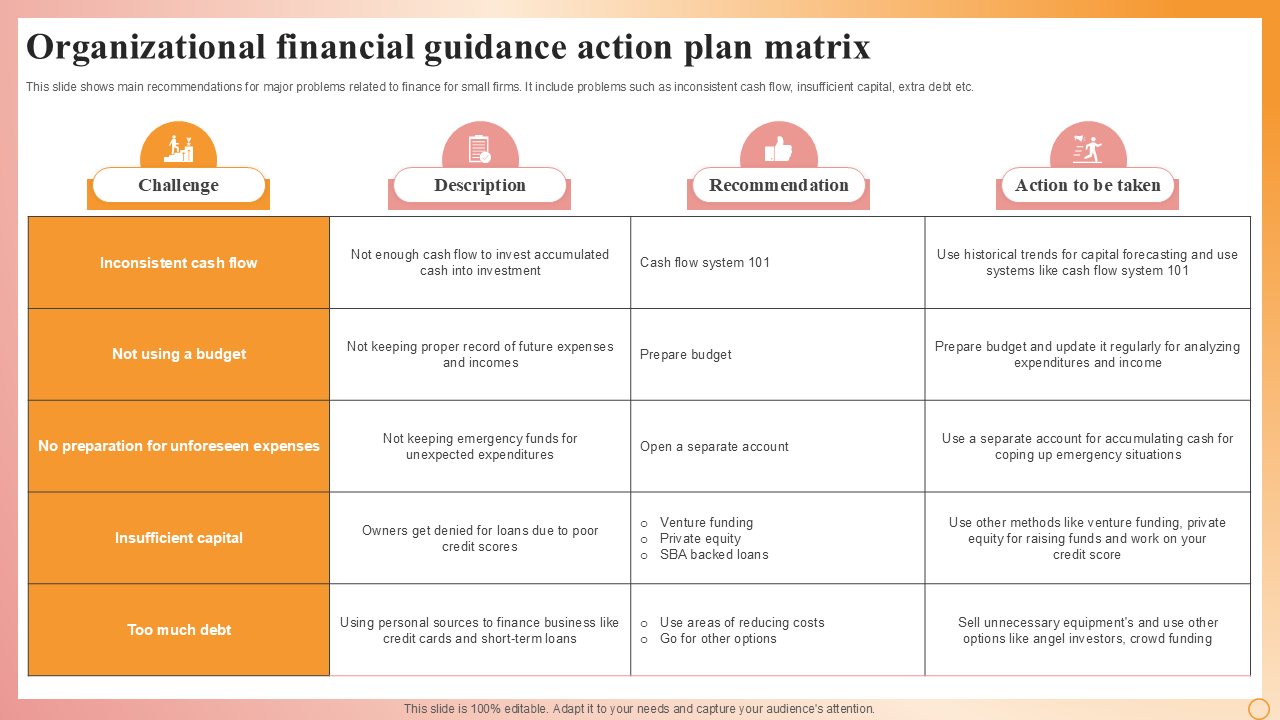
Introduction: When You Need Cash Now, Not Someday
There are moments in life when waiting is not an option.
A bill is due.
An emergency appears.
Cash flow suddenly tightens.
In these situations, long-term financial planning takes a back seat to one urgent question:
How do I raise cash quickly—without making my situation worse?
Raising instant cash is not about panic or desperation. It is about clear thinking under pressure. The wrong move can create long-term problems. The right move can stabilize your situation and buy you time to recover.
This article provides a practical, step-by-step action plan for raising instant cash responsibly—while protecting your future as much as possible.
Understanding “Instant Cash” the Right Way
Instant cash does not always mean money appearing in minutes.
It means:
- Improving cash flow quickly
- Converting existing resources into money
- Creating short-term relief without long-term damage
The goal is speed with control, not speed at any cost.
Step One: Pause Before You Panic
The first and most important step is psychological.
When pressure hits, people tend to:
- Make emotional decisions
- Accept bad terms
- Borrow without understanding consequences
Take a short pause.
A calm decision made in 30 minutes is often far better than a rushed decision made in 3.
Step Two: Get Clear on the Exact Cash Need
Vague stress leads to bad decisions.
Be specific:
- How much cash is needed?
- By what date?
- Is this a one-time need or ongoing?
Raising $500 is very different from raising $5,000.
Clarity prevents over-borrowing.
Step Three: Review What Can Be Delayed or Reduced Immediately
Before raising new cash, reduce outgoing cash.
Look for:
- Bills that can be delayed or negotiated
- Subscriptions that can be paused
- Non-essential expenses that can be cut instantly
Every dollar not spent is a dollar raised.
Step Four: Convert Assets Into Cash
One of the fastest and safest ways to raise cash is to sell something you already own.
Common options include:
- Electronics
- Jewelry
- Tools
- Collectibles
- Unused furniture
Selling assets avoids debt and interest.
Temporary discomfort is often better than long-term obligation.
Step Five: Use Your Skills for Quick Income
Many people underestimate how quickly skills can generate cash.
Examples:
- Freelance work
- Tutoring
- Consulting
- Writing or design gigs
- Online microtasks
Short-term gigs can raise meaningful cash in days—not months.
Step Six: Ask for Payment You Are Already Owed
This step is often overlooked.
If someone owes you money:
- Follow up politely
- Request partial payment
- Offer flexible options
Recovering owed cash is faster than earning new cash.
Step Seven: Use Savings Strategically (If Available)
If you have savings, this is what they are for.
Using savings:
- Avoids interest
- Avoids stress
- Preserves control
Savings used for emergencies are not failures—they are functioning as intended.
Step Eight: Borrow Only After Other Options Are Exhausted
Borrowing should not be the first move—it should be the last controlled move.
When borrowing, prioritize:
- Low interest
- Clear repayment terms
- Short timelines
Avoid borrowing that creates long-term dependency.
Understanding Short-Term Borrowing Options
If borrowing becomes necessary, choose carefully.
Personal Loans
Faster approval, but interest varies widely.
Credit Cards
Convenient but dangerous if balances linger.
Employer Advances
Often overlooked and sometimes interest-free.
Family Loans
Emotionally complex but potentially flexible.
Always define terms clearly—even with people you trust.
Why Payday Loans Should Be Avoided
Payday loans promise speed but deliver cycles.
They:
- Charge extreme interest
- Encourage repeated borrowing
- Create long-term damage
Fast money is not helpful if it causes lasting harm.
Step Nine: Improve Cash Flow Beyond the Emergency
Instant cash solves today.
Stability solves tomorrow.
After the emergency:
- Review spending patterns
- Build a small buffer
- Adjust cash flow
Emergencies become less dangerous when preparation follows.
The Importance of Not Raising More Cash Than Needed
Borrowing extra “just in case” feels safe—but often creates new pressure.
Raise only what is required.
Excess cash raised through debt increases risk without benefit.

Step Ten: Document Everything
In stressful moments, memory fails.
Write down:
- Amounts borrowed
- Terms
- Due dates
Clarity prevents mistakes later.
The Emotional Side of Emergency Cash Needs
Needing instant cash often triggers:
- Shame
- Fear
- Self-criticism
These emotions are unhelpful.
Needing cash is not a moral failure—it is a logistical problem.
Treat it as such.
The CEO Mindset: Managing a Cash Crisis Strategically
Executives handle cash crises with:
- Clear priorities
- Short-term stabilization
- Long-term correction
Apply the same logic at home.
This is not about survival—it’s about control.
Avoiding “Quick Fix” Traps
Be cautious of offers that:
- Guarantee approval
- Require upfront fees
- Hide terms
If something feels rushed or unclear, step back.
Speed should not eliminate judgment.
Turning a Cash Crisis Into a Learning Moment
Every emergency reveals weaknesses.
Use the experience to:
- Identify gaps
- Improve systems
- Build resilience
Growth often begins in pressure.
Building an Emergency Buffer Afterward
Once stability returns:
- Save consistently
- Automate small amounts
- Protect the fund
Even a small buffer changes future outcomes dramatically.
Preventing Repeat Cash Shortages
Long-term prevention includes:
- Cash flow tracking
- Expense awareness
- Income diversification
Instant cash needs decrease when structure increases.
What Not to Do When You Need Cash Fast
Avoid:
- Borrowing emotionally
- Hiding the situation
- Ignoring long-term consequences
Short-term relief should not create long-term stress.
Communicating With Creditors Early
Many creditors are more flexible than expected.
Early communication can lead to:
- Payment extensions
- Temporary relief
- Reduced pressure
Silence increases risk.
Rebuilding Confidence After Financial Stress
Once the crisis passes:
- Acknowledge your effort
- Reflect objectively
- Move forward without shame
Surviving pressure builds strength.
Why Instant Cash Is a Tool, Not a Lifestyle
Emergency strategies are temporary.
Using them repeatedly signals deeper issues.
The goal is not to master crisis—but to reduce its frequency.
Long-Term Thinking Begins Immediately After Relief
As soon as breathing room returns:
- Plan
- Adjust
- Improve
Momentum matters.
Final Thoughts: Raising Instant Cash Without Losing Control
Raising instant cash can feel overwhelming—but it does not have to be destructive.
The key principles are simple:
- Stay calm
- Be specific
- Use what you already have
- Borrow carefully
- Think beyond today
Emergency cash is about stabilization, not escape.
Handled correctly, it buys you time, clarity, and control.
You don’t need perfect decisions—just informed ones.
And once stability returns, you can shift from reacting to planning.
That’s how short-term relief becomes long-term strength.
Word Count:
427
Summary:
Have you every been in the frustrating situation where you need to buy something for your business and don�t have the money? This article will give you ideas on how you can raise the money you need.
Keywords:
raising money, cash, business, start up, sell, ideas, fund raising, business finance
Article Body:
Have you every been in the frustrating situation where you need to buy something for your business and don�t have the money?
Maybe one of the following techniques will be the answer you�re looking for.
You�re probably aware of the credit card industry for purchases. Did you know you can actually �buy money� with credit cards? You can withdraw the money no questions asked, assuming you have available credit of course.
Not only can you use your card, many credit card providers also can send checks that you can write against your credit limit.
If you have five credit cards you can cash a check or �draw money� (cash advance) of $1000. That makes $5000 if you use this method on all five cards. Cash the credit card check at the bank or institution that provides the credit card.
Many banks also offer overdraft protection these days. Using this method a check can be cashed for higher than the amount in the bank account. The check is processed even though the funds are there. The bank honors the check, therefore , as a benefit, no overdraft fees for you or the person whom you issued the check. This method is actually �revolving� credit.
Another method is using your home equity to borrow money. If you have $25000 equity in your home You could take out a loan using the equity in your home. Many astute people use this method in order to start or expand a business.
The next method, which has been used very frequently is borrowing from friends and family. For example if you have 10 friends that each loan $100, that�s $1000 right there. Imagine the possibilities if have hundreds.
Even though you don�t realize it you probably have cash laying around. I�m not talking about finding money in the pockets of old jackets. Old furniture, dolls, antique items can all be sold to raise funds. Almost anything in your bedroom, attic or basement stored away has the potential to generate funding. You could even have a yard or garage sale as a fund raiser.
There are many more methods that can be used. Use your imagination to see the endless possibilities. They are out there, spend a little bit of time contemplating and less time worrying. The world is full of endless opportunities for anything and everything. Be prepared to use any or all the methods when the need arises.
If any of these methods work for you, you�re well on your way.
By Farida Madre
Copyright 2006 GoldenStarEbooks.net
http://www.goldenstarebooks.net



Tinggalkan Balasan