Introduction: Why Fundraising Is the Lifeblood of Nonprofit Organizations
Nonprofit organizations exist to solve problems that markets and governments often cannot fully address. They serve communities, protect the environment, support education, fight poverty, advance healthcare, and stand for countless other causes that improve lives.
But even the most noble mission cannot survive on passion alone.
Behind every successful nonprofit is a fundraising system that keeps its work alive. Fundraising is not just about asking for money—it is about building trust, communicating purpose, and inviting people to participate in meaningful change.
This article explains what nonprofit fundraising really is, how it works, why it matters, and how organizations can approach it ethically, strategically, and sustainably.
What Is Nonprofit Fundraising?
Nonprofit fundraising is the process of securing financial resources to support an organization’s mission, programs, and operations.
Unlike businesses, nonprofits do not exist to generate profit for owners or shareholders. Any funds raised are reinvested into the organization’s work.
Fundraising includes:
- Individual donations
- Grants
- Corporate sponsorships
- Events
- Online campaigns
- Membership programs
At its core, fundraising is about connecting people to a cause they believe in.
Why Fundraising Matters More Than Ever
The need for nonprofit services continues to grow, while competition for funding increases.
Nonprofits face:
- Rising operational costs
- Greater demand for transparency
- Donor fatigue
- Increased accountability
Effective fundraising ensures:
- Program continuity
- Staff stability
- Long-term impact
Without reliable funding, even the best mission struggles to survive.
Fundraising Is Not Begging — It Is Value Exchange
One of the biggest misconceptions about fundraising is that it is begging for money.
It is not.
Fundraising is an exchange:
- Donors contribute resources
- Nonprofits create impact
- Supporters gain purpose, connection, and meaning
People don’t give because they are pressured.
They give because they care.
The Psychology Behind Why People Donate
Understanding donor motivation is essential.
People donate because:
- They believe in the mission
- They want to make a difference
- They feel emotionally connected
- They trust the organization
- They see measurable impact
Successful fundraising speaks to both the heart and the mind.
The Role of Trust in Nonprofit Fundraising
Trust is the foundation of all fundraising.
Donors want to know:
- Where their money goes
- How it is used
- Whether it creates real change
Transparency, honesty, and accountability are not optional—they are essential.
Once trust is broken, it is extremely difficult to rebuild.
Types of Nonprofit Fundraising
Nonprofits use multiple fundraising methods to diversify income and reduce risk.
Individual Donations
The most common form of fundraising. Small gifts from many people often provide the most stable support.
Major Gifts
Large contributions from individuals who deeply believe in the mission.
Grants
Funding from foundations, governments, or institutions based on proposals and compliance.
Corporate Sponsorships
Partnerships with businesses that align with the organization’s values.
Events
Fundraising dinners, walks, auctions, and community gatherings.
Online Fundraising
Digital campaigns using websites, email, and social media.
A healthy nonprofit rarely relies on just one source.
Why Donor Relationships Matter More Than One-Time Gifts
One-time donations help in the short term.
Relationships sustain organizations long term.
Strong donor relationships are built through:
- Consistent communication
- Appreciation and recognition
- Impact reporting
- Listening to donor feedback
Retention is often more valuable than acquisition.
Storytelling: The Heart of Fundraising
Numbers inform.
Stories inspire.
Effective fundraising tells real stories:
- Of people helped
- Of challenges faced
- Of progress made
Stories humanize data and make impact tangible.
Donors don’t fund programs—they fund change.
The Importance of a Clear Mission and Message
Confusion kills fundraising.
A nonprofit must clearly answer:
- What problem do we solve?
- Who do we serve?
- Why does this matter now?
Clarity builds confidence—and confidence drives donations.
Ethical Fundraising: Doing the Right Thing
Ethical fundraising protects both donors and beneficiaries.
This includes:
- Honest messaging
- Respecting donor intent
- Avoiding manipulation or exaggeration
- Protecting privacy
Long-term credibility matters more than short-term gains.
The Role of Leadership in Fundraising
Fundraising is not only the job of the development team.
Strong leadership:
- Sets the vision
- Builds culture
- Models donor engagement
- Supports transparency
When leaders believe in fundraising, the entire organization benefits.
Board Involvement in Fundraising
Boards play a critical role in nonprofit fundraising.
They contribute by:
- Making personal donations
- Opening networks
- Advocating for the organization
- Supporting fundraising strategy
A board that avoids fundraising limits organizational growth.
Digital Transformation in Nonprofit Fundraising
Technology has changed fundraising dramatically.
Digital tools allow:
- Global reach
- Faster communication
- Lower costs
- Data-driven decisions
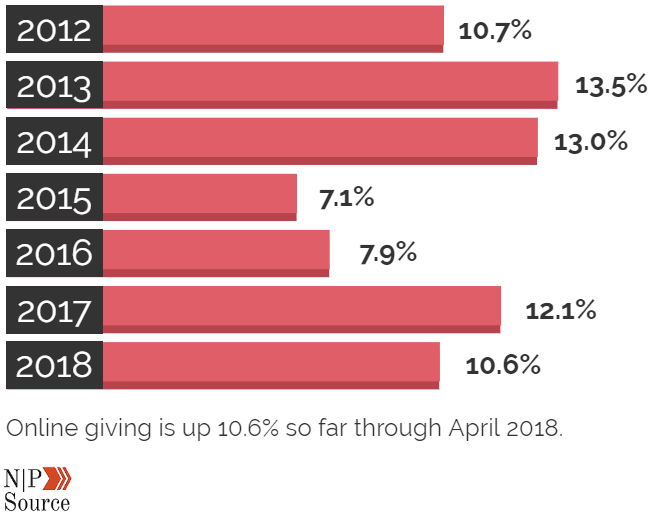
Online giving is no longer optional—it is essential.
The Power of Recurring Donations
Monthly giving programs provide:
- Predictable income
- Stronger donor loyalty
- Lower fundraising costs
Even small recurring gifts create long-term stability.
Measuring Fundraising Success Beyond Money
Money matters—but it’s not the only metric.
Other indicators include:
- Donor retention rates
- Engagement levels
- Cost efficiency
- Growth in support base
Healthy fundraising balances results and relationships.
Common Fundraising Challenges Nonprofits Face
Nonprofits often struggle with:
- Limited staff capacity
- Burnout
- Inconsistent messaging
- Short-term thinking
Acknowledging these challenges allows organizations to plan realistically.
Fundraising During Economic Uncertainty
During economic downturns, fundraising becomes harder—but not impossible.
Successful nonprofits:
- Communicate urgency clearly
- Focus on existing supporters
- Demonstrate adaptability
- Maintain transparency
Trust becomes even more valuable in difficult times.
The CEO Mindset: Treating Fundraising as Strategy, Not Survival
Strong nonprofits treat fundraising as a strategic function.
This means:
- Long-term planning
- Investment in systems
- Data analysis
- Risk management
Fundraising done reactively creates instability.
Fundraising done strategically creates resilience.
Building a Sustainable Fundraising Culture
A sustainable culture:
- Values relationships
- Encourages collaboration
- Celebrates impact
- Supports staff well-being
Fundraising is a marathon—not a sprint.
The Importance of Gratitude and Stewardship
Thanking donors is not a formality—it is a responsibility.
Stewardship includes:
- Timely thank-you messages
- Updates on impact
- Recognition where appropriate
Gratitude strengthens loyalty.
Avoiding Fundraising Burnout
Fundraising is emotionally demanding.
Prevent burnout by:
- Setting realistic goals
- Sharing responsibilities
- Celebrating wins
- Maintaining balance
Healthy teams raise more funds.
The Long-Term Impact of Effective Fundraising
When fundraising is done well:
- Programs grow
- Communities benefit
- Missions expand
- Trust deepens
Fundraising is not overhead—it is impact creation.
Final Thoughts: Fundraising Is About Belief, Not Just Money
Nonprofit fundraising is not about chasing donations.
It is about:
- Inviting people into purpose
- Building trust through transparency
- Creating sustainable impact
When done ethically and strategically, fundraising becomes a powerful force for good.
Money is simply the fuel.
Mission is the engine.
Trust is the road.
And when all three align, nonprofits don’t just survive—they thrive.
Word Count:
444
Summary:
85% of Non Profit Fundraising every year is acquired from direct
individual donations. Nevertheless, how does one raise funds? Apart from direct activities, online fundraising is very popular around the world these days.
Keywords:
Online Fundraising, Non Profit Fundraising, Internet Fundraising
Article Body:
Did you know that 85% of Non Profit Fundraising every year is acquired from direct individual donations?
That 85% consists of large and small donations but it is the steady stream of small donations that keep most nonprofits afloat.
One should plan and forward his or her steps careful if the organization is new and they are not sure about the process of Non Profit Fundraising.
Ideally, first step should be to cultivate donors in the local community and than move on to Internet Fundraising.
How does one raise funds?
One can raise your funds through grants, product sale and special events and by phonathons. Online fundraising is very popular around the world these days.
Primarily one has to find one or two donor who will make a large donation (known as major donors).
Let us discuss some simple steps to get prospective donors interested and involved in the project.
1) Create a list of prospective donors who may get interested in organization�s activities.
2) Primarily one should concentrate on friend-raising activities rather than a
fund-raising one, like organizing some special events (a spaghetti dinner, carnival, concert, or some other fun activity) with several door prizes.
3) Now create a mailing list of those persons who are somewhat interested or may get interested about the organization. One should include the following points in the mailing list-
a) detailed address of office and residence

b) phone number

c) personal & detailed information
4) Within 3 days mail a nice letter to every listed individual. In addition, tell them-
a) how the organization is helping someone in the community.

b) that it is only possible with the support (monetary and otherwise) from
   good people like them.

c) ask them for contribution and include a pre-addressed return envelope to make it easy for the donor.
5) Try to invite the prospect to come as a volunteer.
a)  have a volunteer coordinator well prepared in advance to accept all calls, and to put them to good use.

b)  the coordinator should introduce them to the staff, and make them feel to be a part of the organization. Once a volunteer feels to be a part of the
organization, he or she (and friends) is more likely to contribute.
6) Send letters and newsletters to those who did not volunteer. It may work to good effect if they are asked to speak to their civic groups, church groups about the organization. A good relationship always pays. .
7) Thank anybody and everybody whenever and however possible on whatever occasion.
Finally, maintaining donors� involvement over time is indispensable. Try to get them excited about what you are doing with their kind help.
Remember: Non Profit Fundraising is all about building relationships.


Tinggalkan Balasan